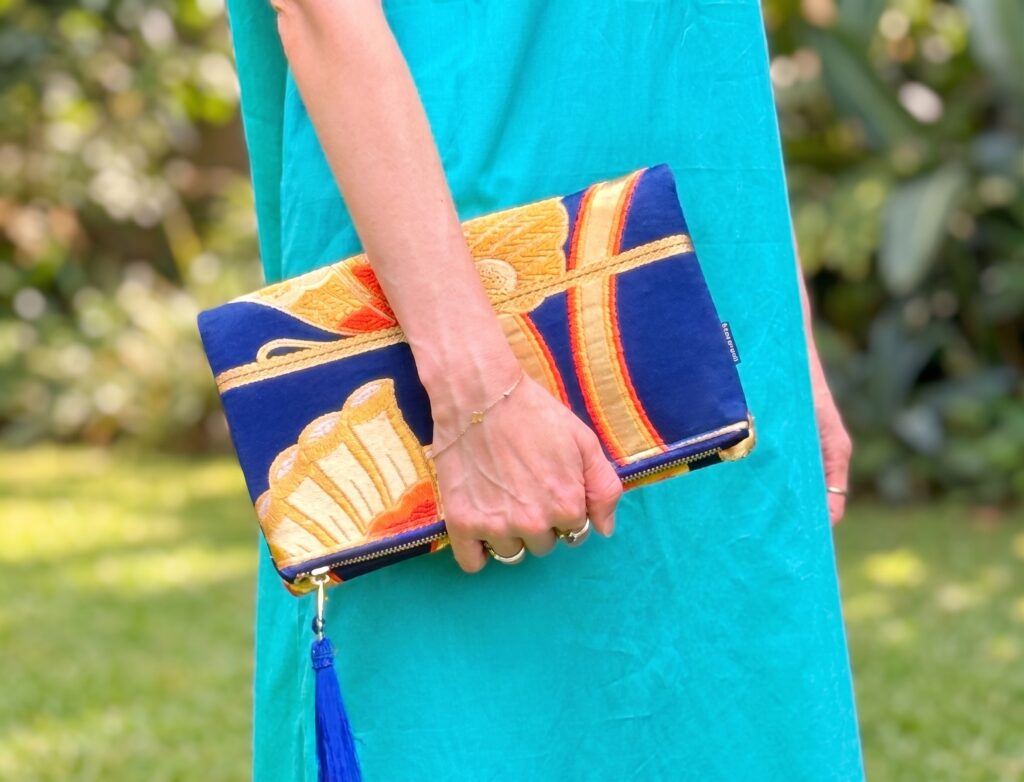
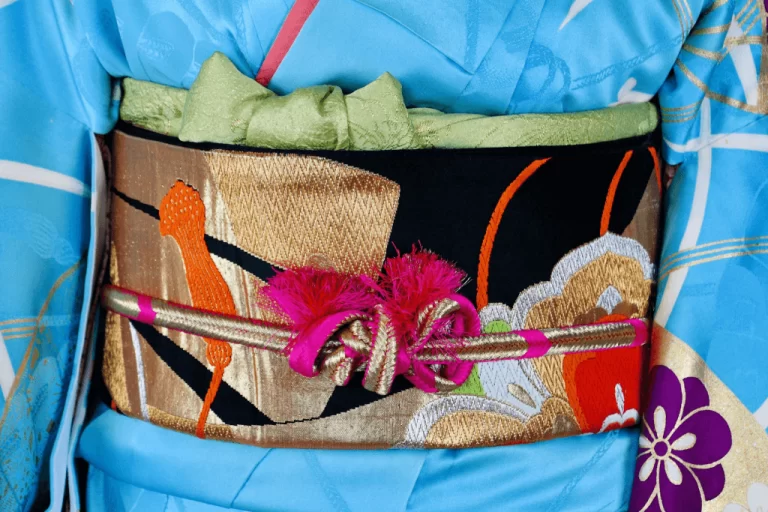
Nothing on a kimono is decorative by accident. The patterns were picked for the season, the occasion and the wearer, and a Japanese guest at a wedding a century ago could read all three across a room.
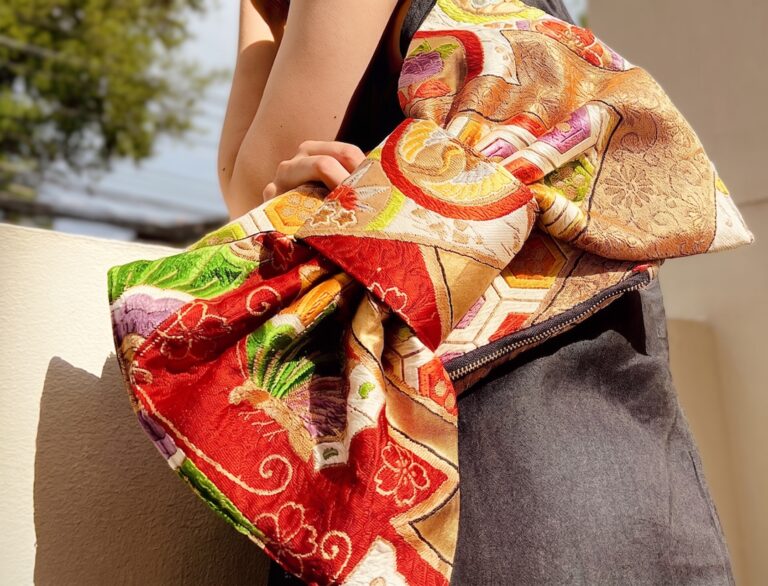
Most of our bags are cut from obi, so those patterns end up on a clutch being carried around Bangkok. Here is what the common ones were saying.
Crane, tsuru
Long life, and marriage. Cranes were believed to live a thousand years and to pair for life, which is why they turn up on wedding kimono more than anything else. Usually drawn in flight with the neck stretched out.
If you are buying a gift for a couple, this is the one.
Waves, seigaiha
The pattern of overlapping half circles, like fish scales or a stylised sea. It stands for calm, and for good fortune that keeps arriving the way waves do. One of the oldest patterns in use and still the easiest to recognise.
Pine, matsu
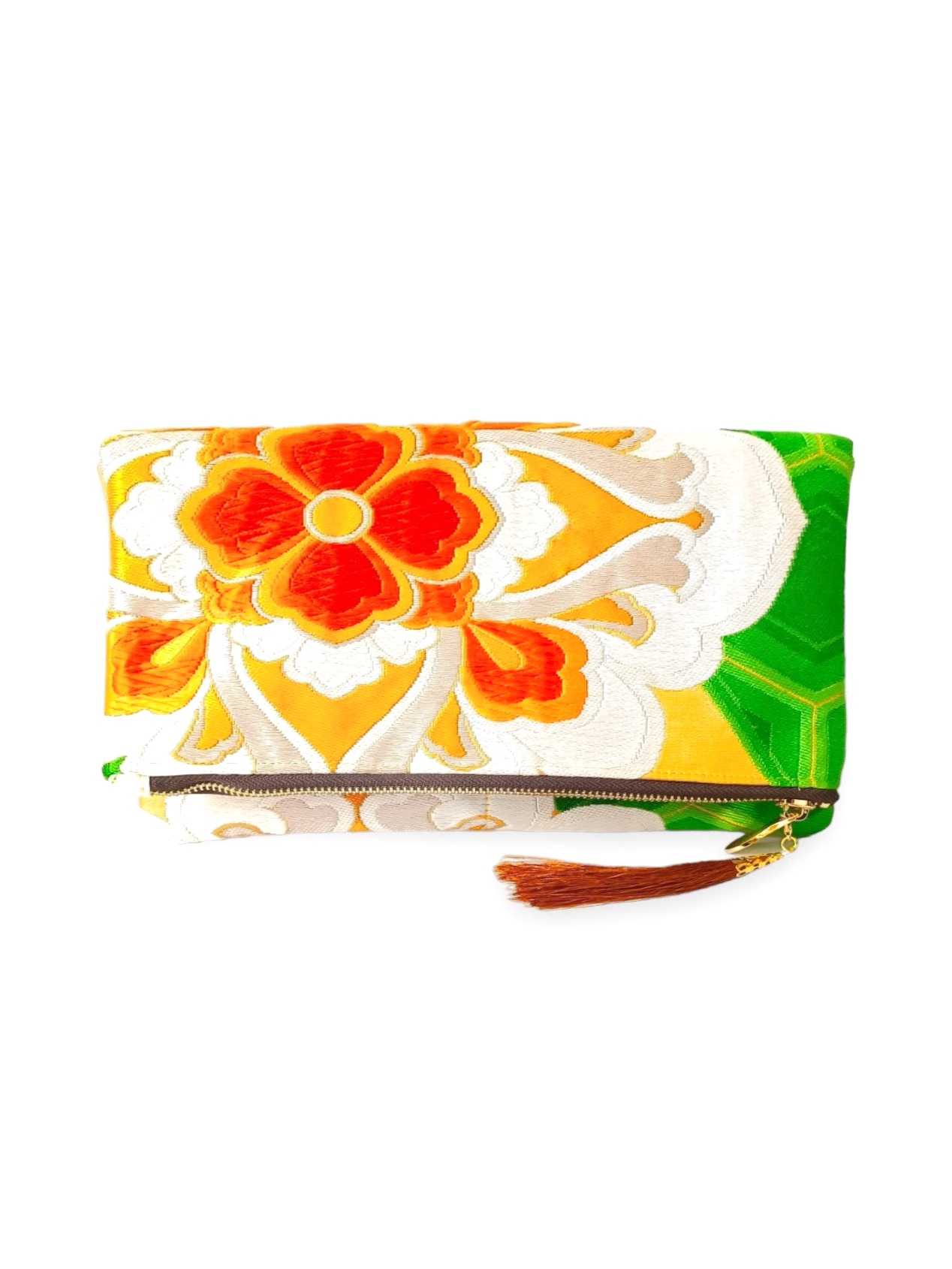
Endurance. Pine stays green through the winter, so it means holding steady through a hard stretch. Often drawn with bamboo and plum together, the three of them making a set that stands for resilience.
Chrysanthemum, kiku
Autumn, and long life again. The chrysanthemum is also the imperial flower of Japan, so a formal obi will often carry it. Large open blooms usually mean the piece was made for an occasion rather than for everyday.
Cherry blossom, sakura
Spring, and the fact that nothing lasts. Sakura is beautiful precisely because it falls, and that is the point being made. Worn in spring, and slightly odd to wear in autumn, though nobody is going to stop you carrying a bag.
Butterfly, cho
Change, and young womanhood. A butterfly goes through a complete transformation to become itself, so it tended to appear on pieces made for someone at the start of adult life.
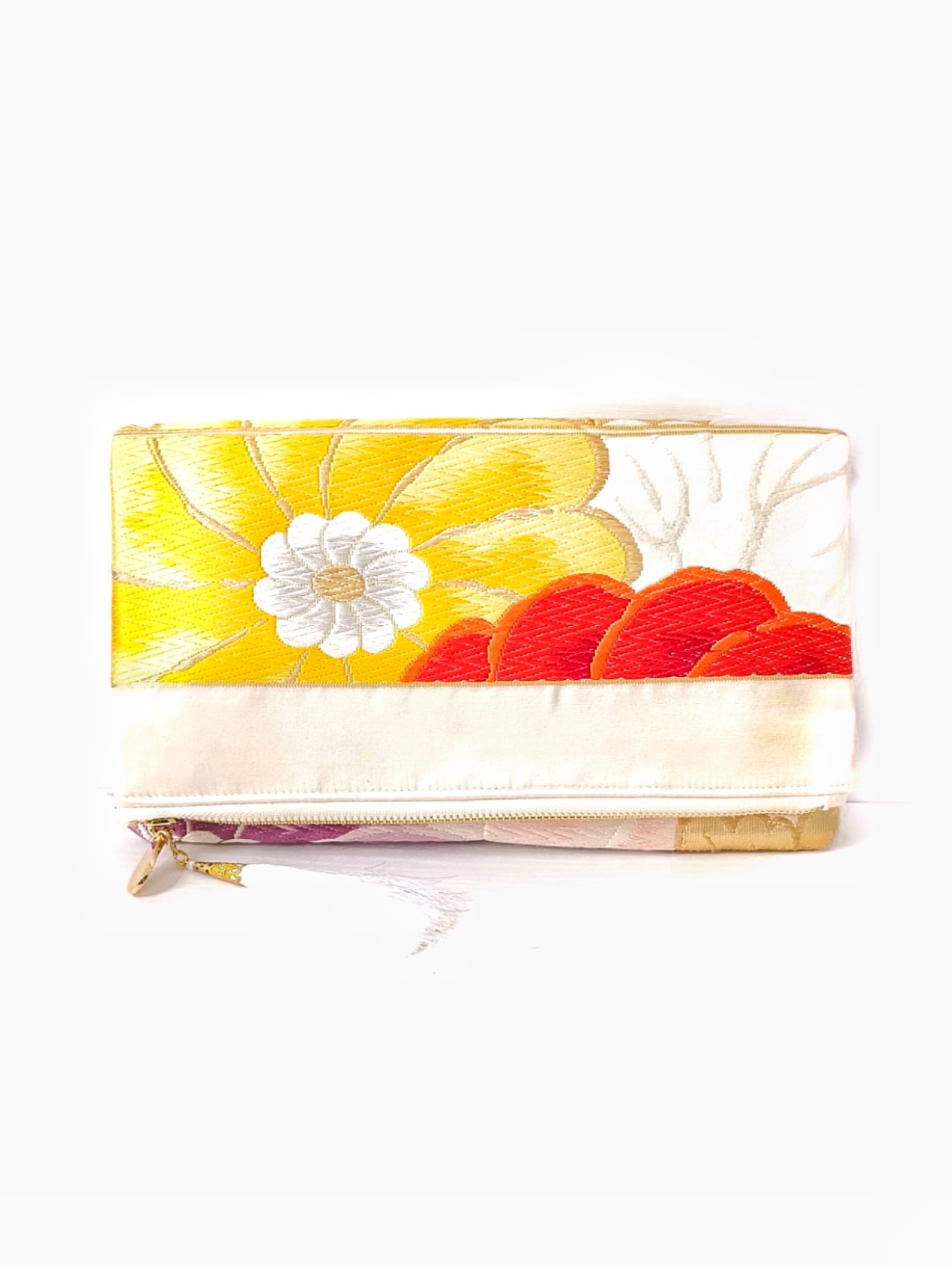
Does any of it matter on a bag?
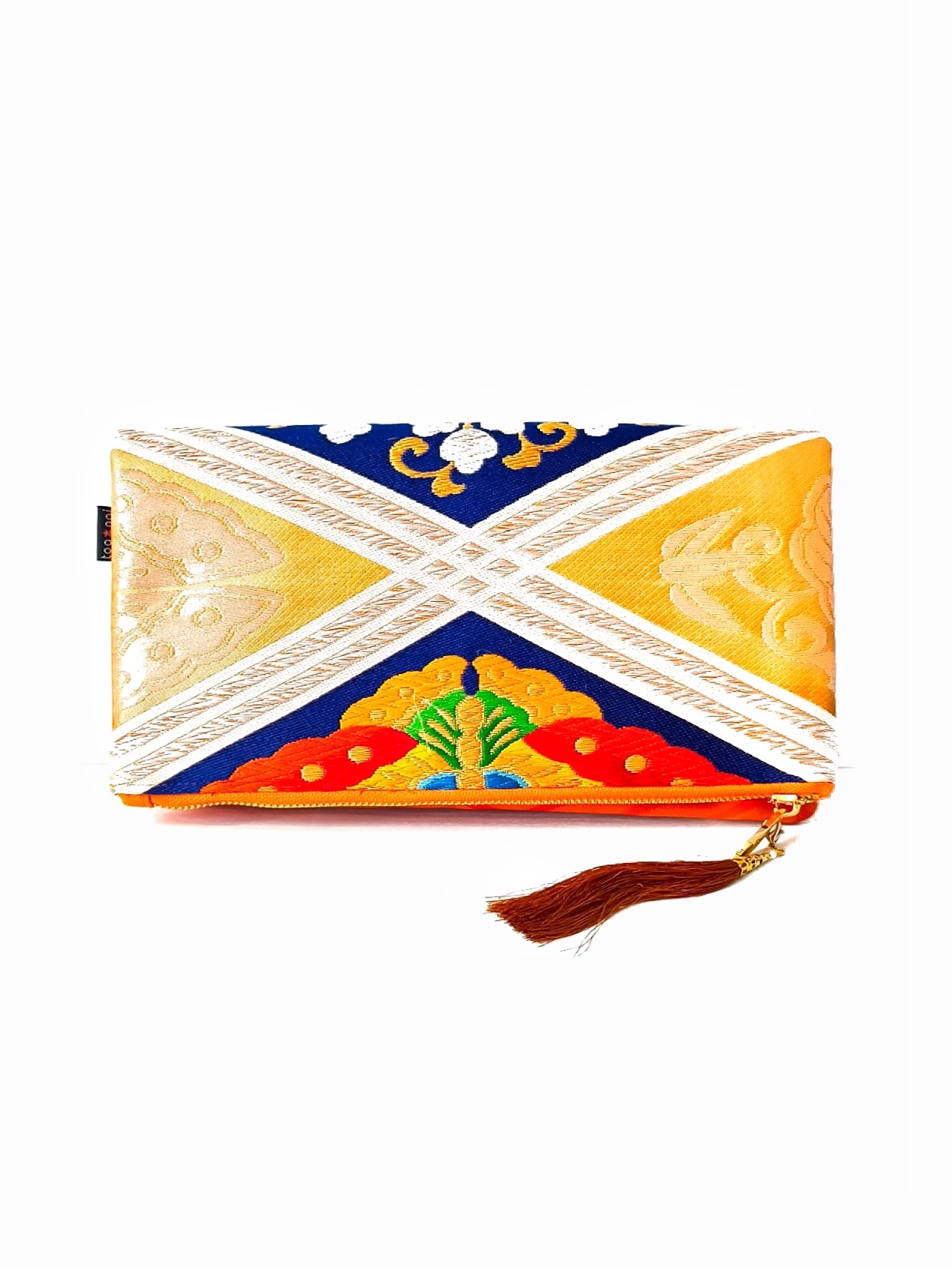
Honestly, only as much as you want it to. A clutch cut from a crane obi works fine if you have never heard of cranes. But people do choose differently once they know. The pine ones go to somebody getting through something. The cranes go to weddings. We have watched it happen at the counter often enough to stop thinking it is a coincidence.
What is worth knowing is that every one of these was woven by somebody who meant it. That thread was chosen. It is a better reason to carry a bag than a logo is.
Come and read a few
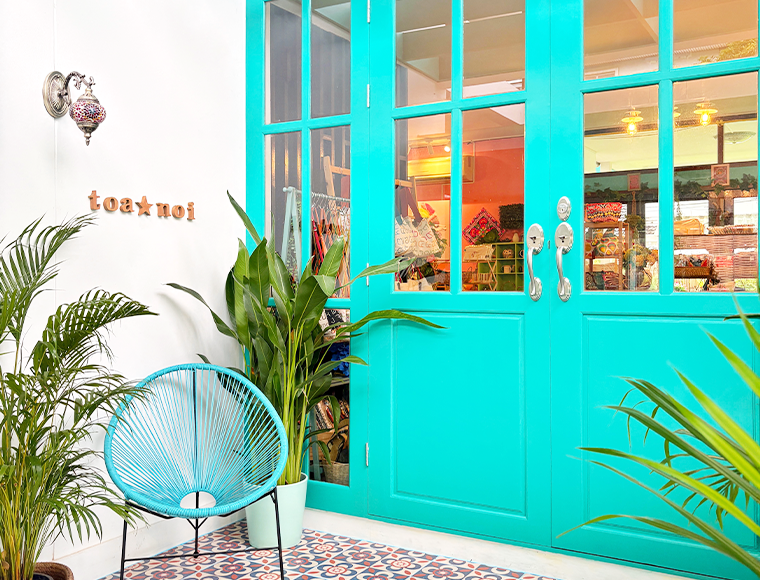
The kimono bags are laid out on the second floor at 259/80 Soi Pridi Banomyong 13, off Sukhumvit 71, Monday to Saturday, 9:30 to 17:00, so you can see the fabrics side by side. Ask us what the pattern is. If we know, we will tell you, and if we do not we will say that too.
 EN
EN  JA
JA  TH
TH